New technology is breaking down the barriers for these complex fluids.
And implementation is easier than you think!
There are many solutions available for pipeline leak detection – unless you are moving compressible fluids.
If you’re operating with one of these complex fluids, you’ve felt the challenge of finding a solution that works for you. You may be left with inadequate coverage or a detection method that is far removed from the rest of your operation.

Flowstate now offers an extension to our leak detection solution designed to handle challenging pipeline hydraulics – including the unique complexities of compressible fluids.
LDS+ builds on the existing Flowstate platform delivering a more sophisticated machine learning approach developed to better model pipeline hydraulics. When coupled with the well known statistical volume balance method, the solution is shown to deliver a practical solution for monitoring for leaks while minimizing false alarms.
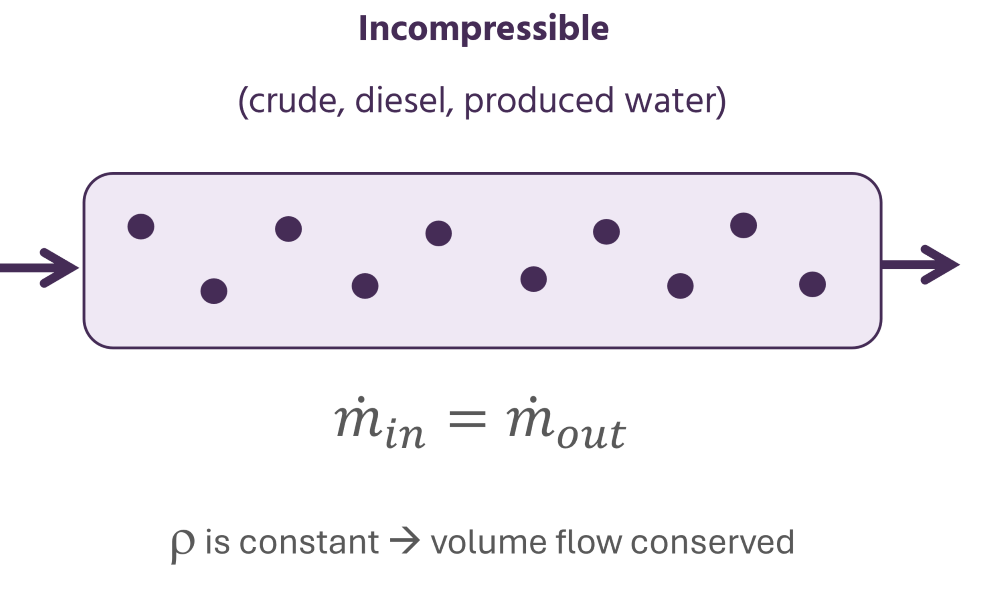
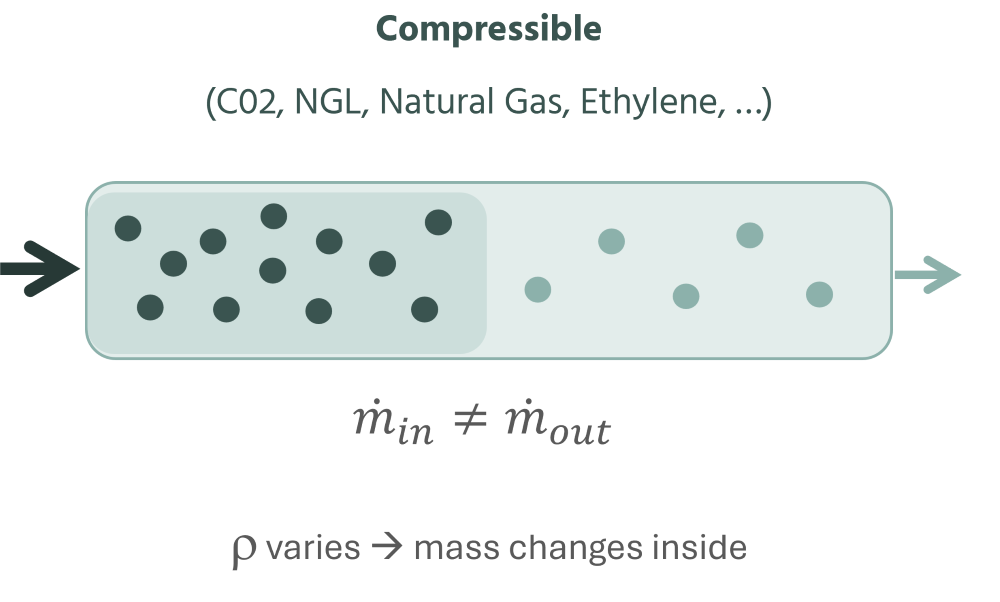
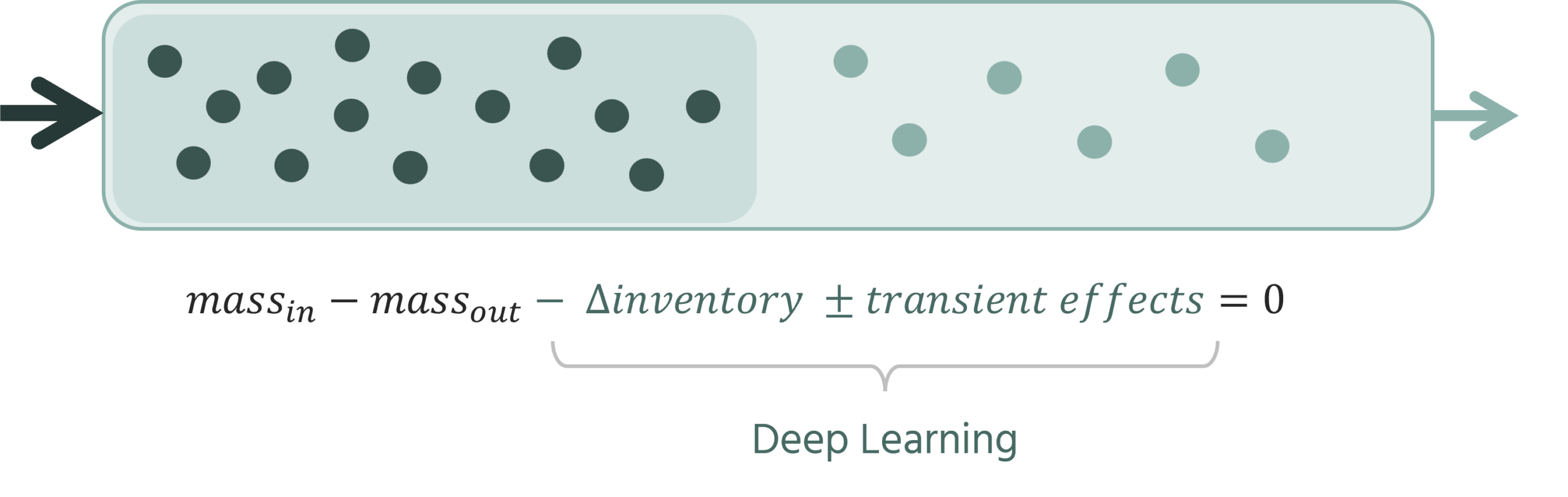
Inventory compensation has historically been a very difficult problem to solve that requires extensive data, engineering and fine tuning.
Modern technology has helped us address this challenge. A physics-informed deep learning model can learn the hydraulics of a pipeline and be used to estimate the resulting inventory.
While detailed hydraulic models require numerous data inputs, the LDS+ is able to provide this enhanced machine learning capability with only the flow and pressure inputs at every inlet and outlet of a pipeline segment.
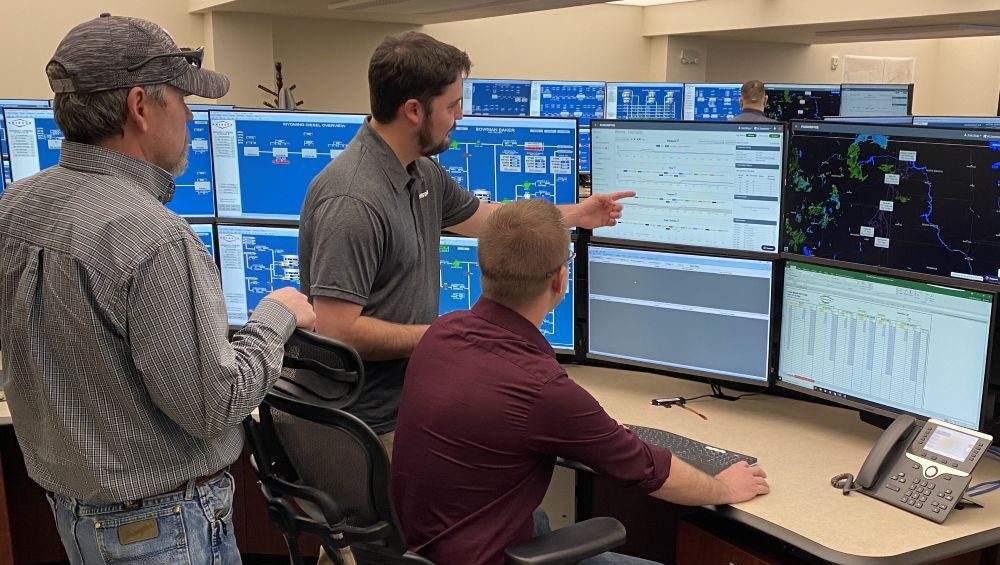
This is data you are likely already collecting via your SCADA system.
With the Flowstate LDS, leak detection for your compressible fluid line is available simply as a different model type. No additional product or module required. With each of your unique segments, models are applied or stacked as appropriate for the segment. This means one install, and one application for your team to train on.
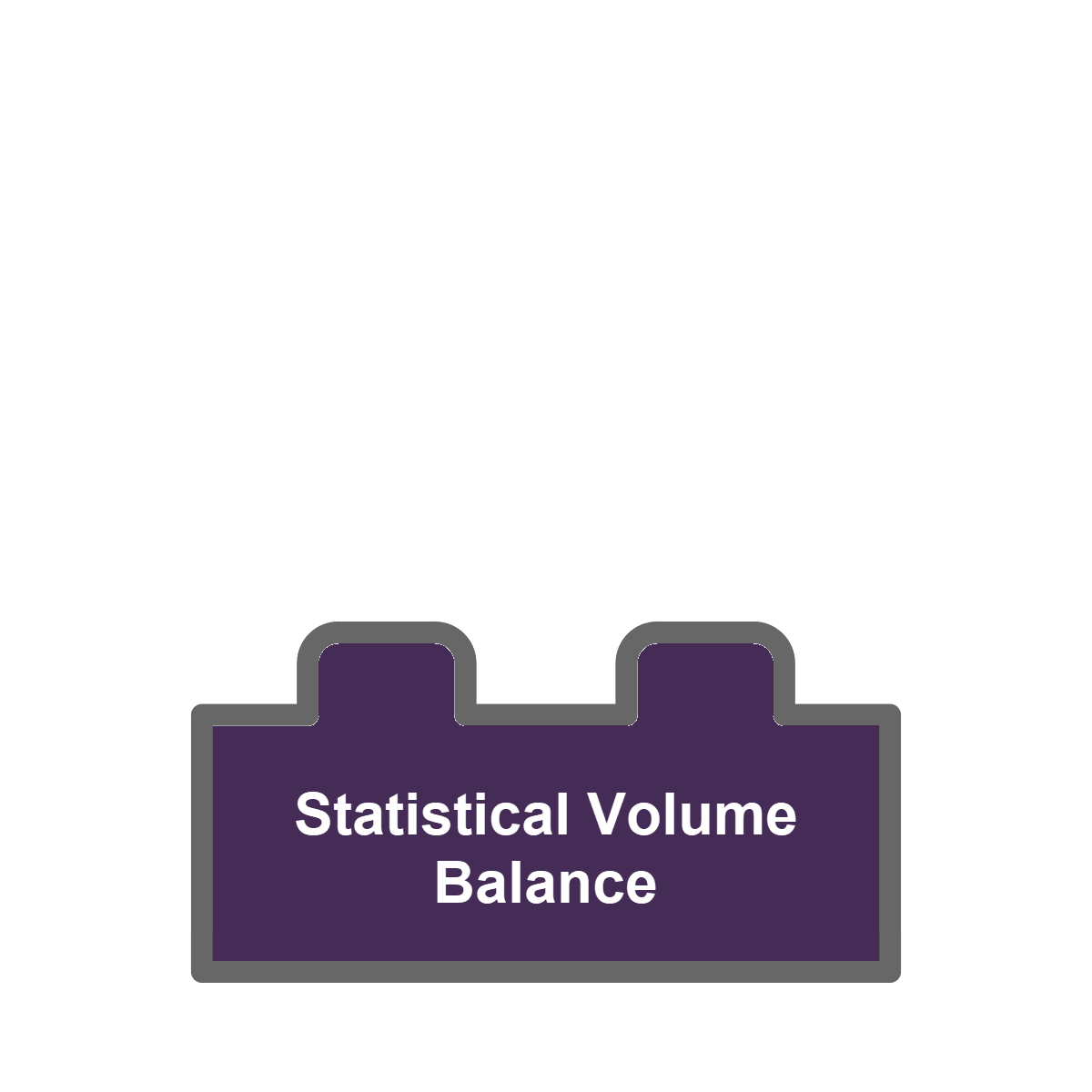
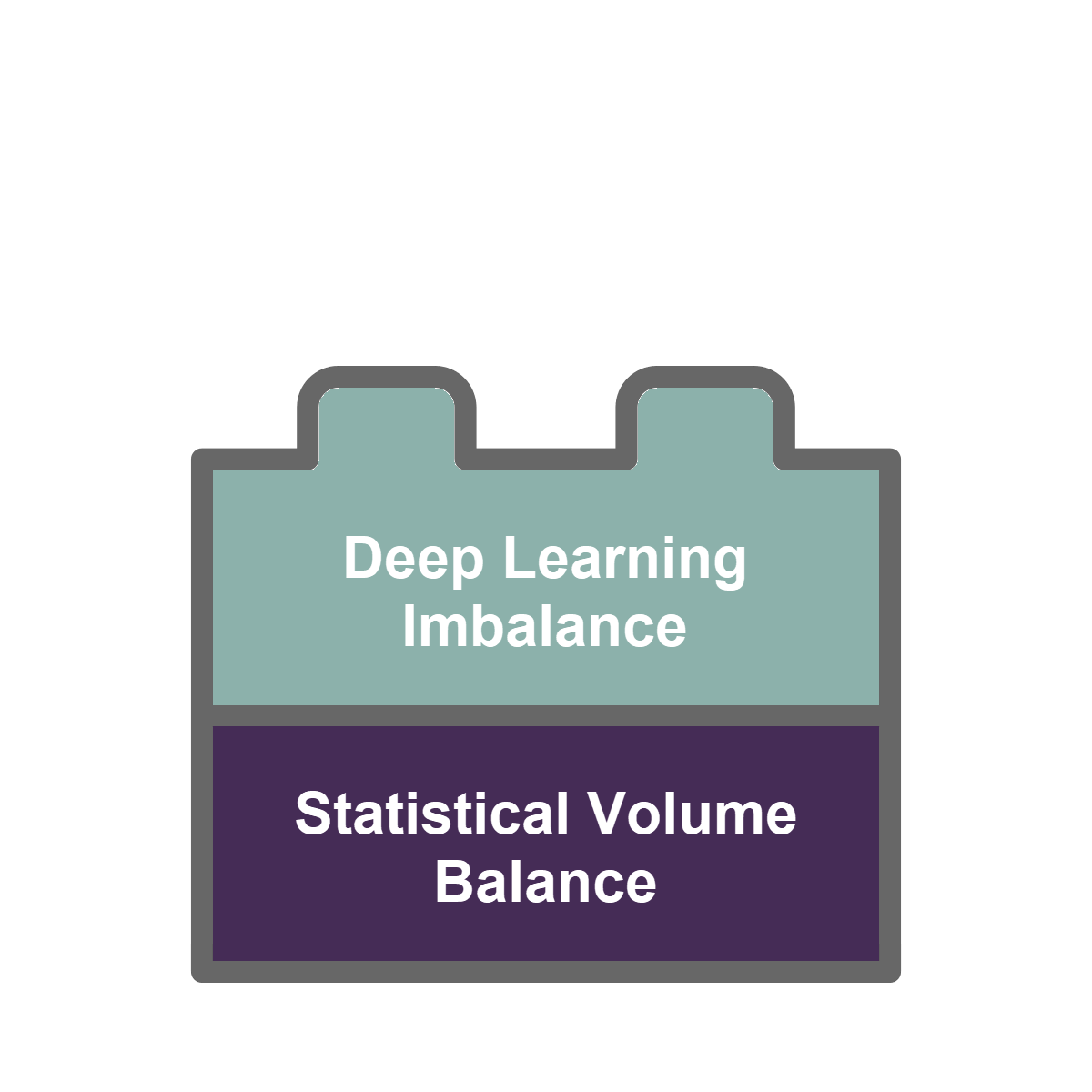
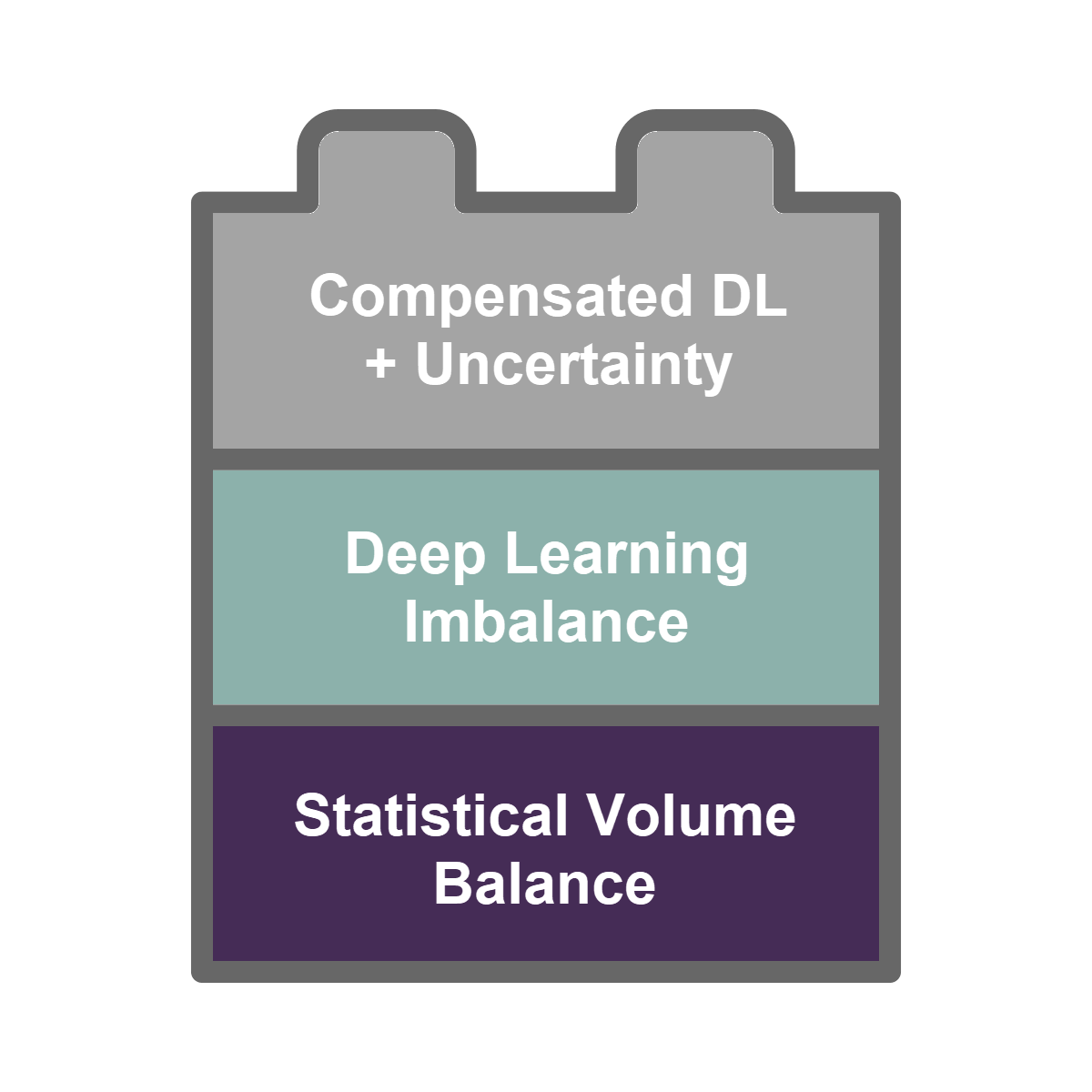
Statistical testing provides a robust method for detecting possible leak conditions.
A deep learning model can learn basic transient behavior (packing/unpacking) enabling improved sensitivity through transients or variable offsets.
A physics-informed deep learning model can learn complex hydraulics and estimate inventory change with confidence level.
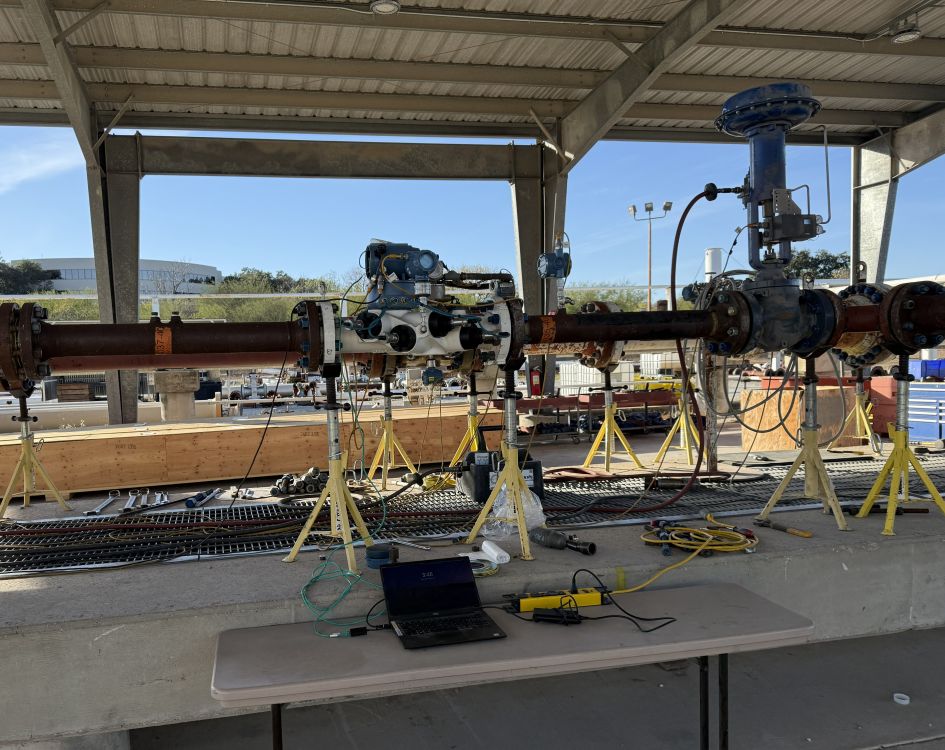
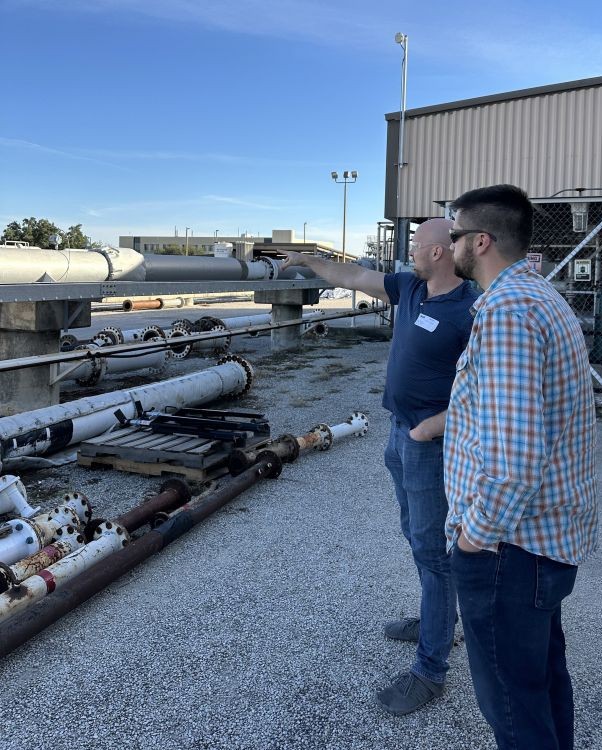
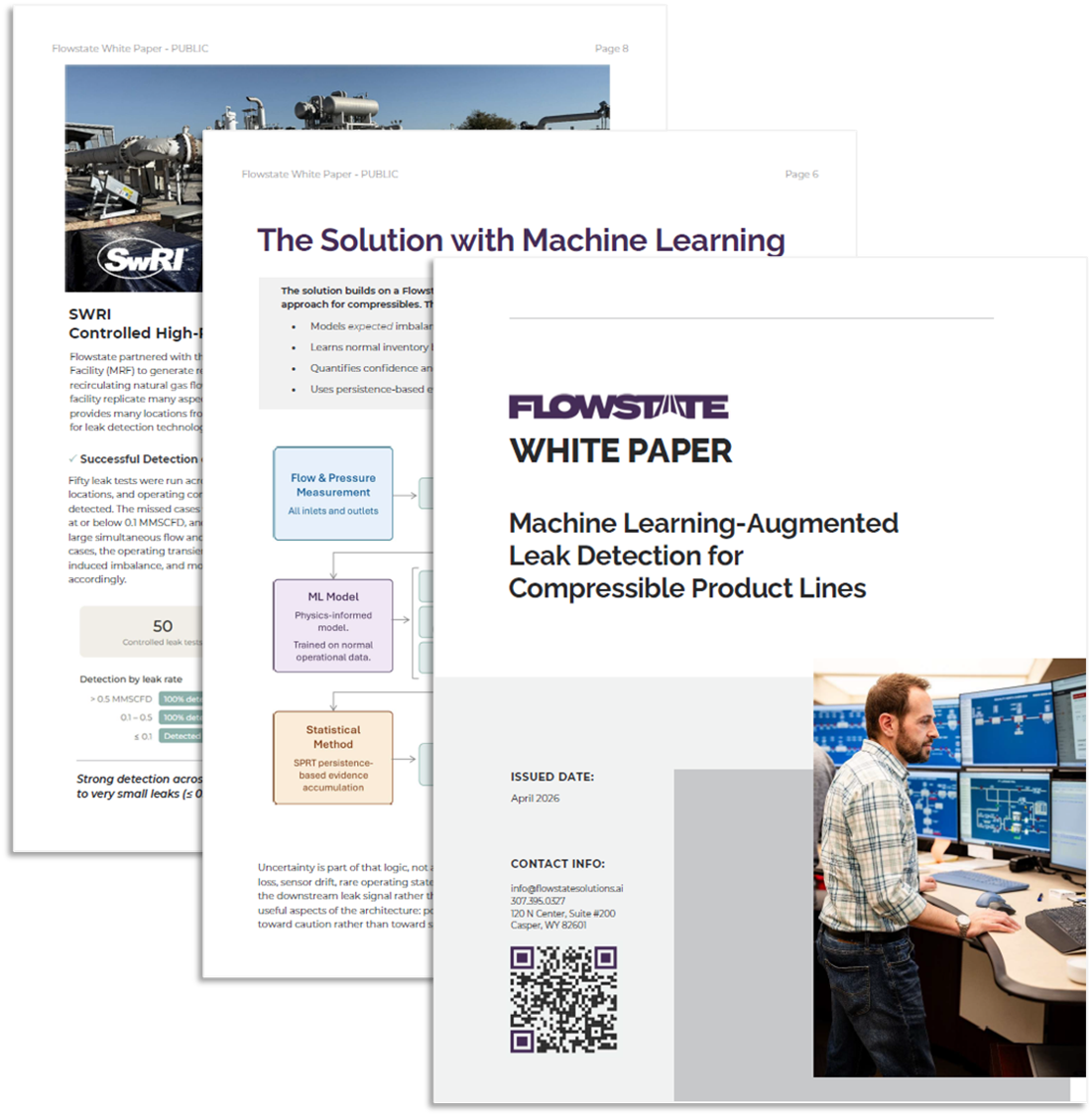
Flowstate has partnered with the Southwest Research Institute (SWRI) and pipeline operators to conduct real world testing of the solution through physical withdrawal testing.
These partnerships have enabled us to demonstrate performance with various fluids and in multiple operational scenarios. See the results in our white paper below!